On this page
- Land Clearing Services Available in Gregg County
- Residential Land Clearing on Longview and White Oak Homesites
- Forestry Mulching and Brush Clearing Across Gregg County
- How Much Does Land Clearing Cost Here, and What Changes It?
- Terrain, Soil and Vegetation on Gregg County Acreage
- Burn Bans, Pipelines and Texas A&M Forest Service Rules Before Land Clearing
- Areas We Serve in Gregg County: Longview, Kilgore, White Oak, Gladewater
- Ready to Clear Your Lot? Get an Estimate
- FAQ
Land Clearing Services Available in Gregg County
Most land clearing projects in the county fall into one of six jobs, and each carries a posted price.
- Forestry mulching services on pine understory: $1,200 to $2,000 an acre.
- Lot clearing for a new house: half an acre is one skid steer day, $2,800.
- Clearing brush and underbrushing on timberland, by the day.
- Stump grinding at $4 per inch of diameter, $175 minimum per stump.
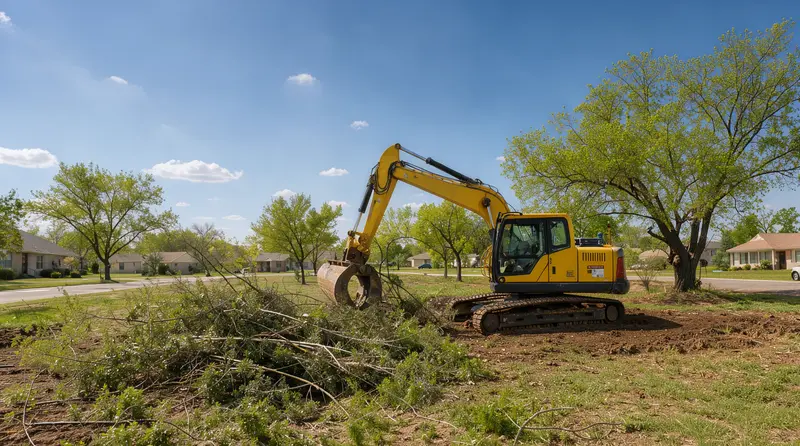
- Site prep and dirt work services: grubbing, rough grading, pad drainage at $160 an hour with operator.
- Bush hogging on agricultural land: $60 to $90 an acre, $400 minimum.
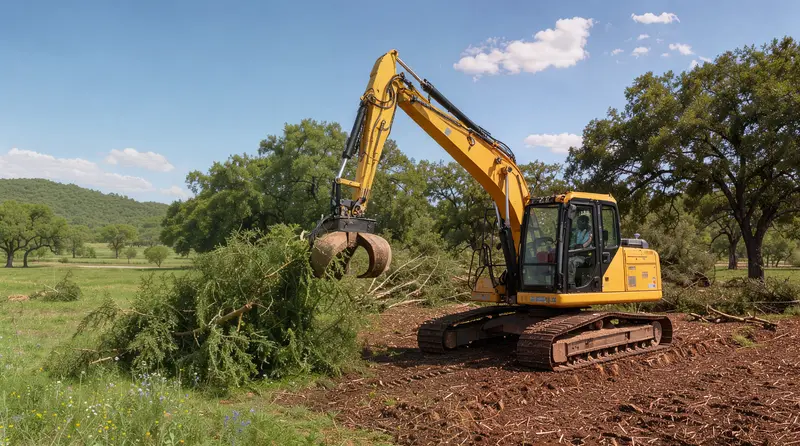
Our crews have the equipment to handle stems to 8 inches on the skid steer, and the 300-hp mulcher takes the rest. Tree removal on a single lot and storm cleanup go by the hour. Concrete, wells, septic and house demolition are not our trade.
Residential Land Clearing on Longview and White Oak Homesites
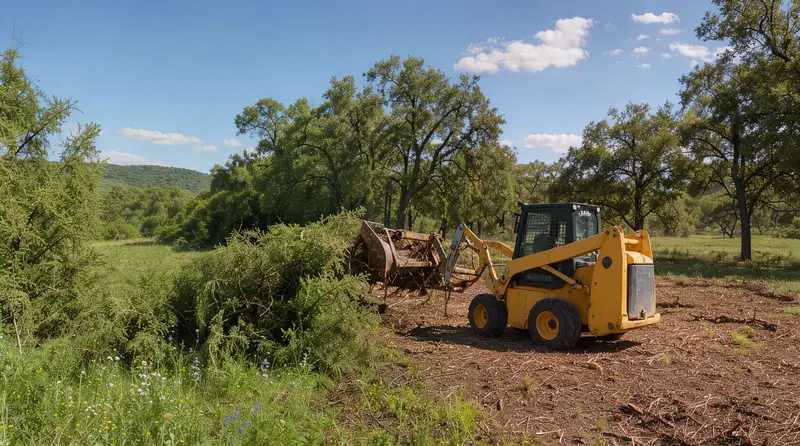
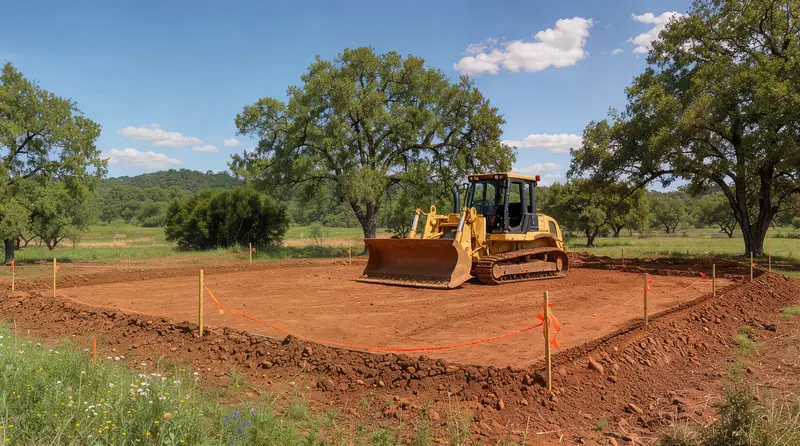
The county issued 186 single-family permits in 2025, per the Census Building Permits Survey, up 7 percent. Permits understate the work here, because tracts outside city limits need none. Most residential jobs look alike: the homeowner has one to two acres of pine over a yaupon thicket off Loop 281 or US 259 and wants the pines standing when the slab crew arrives. That is a skid steer day: trees and branches mulched where they fall, $2,800, nothing to burn. Small residential lots under half an acre pay the same day rate. Site preparation for the pad means grubbing the stumps and leaving the undergrowth as a mulch floor so the sand stays put.
Forestry Mulching and Brush Clearing Across Gregg County
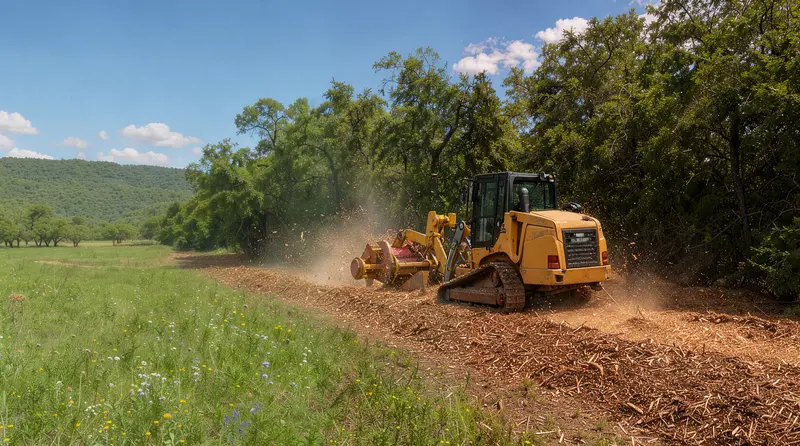
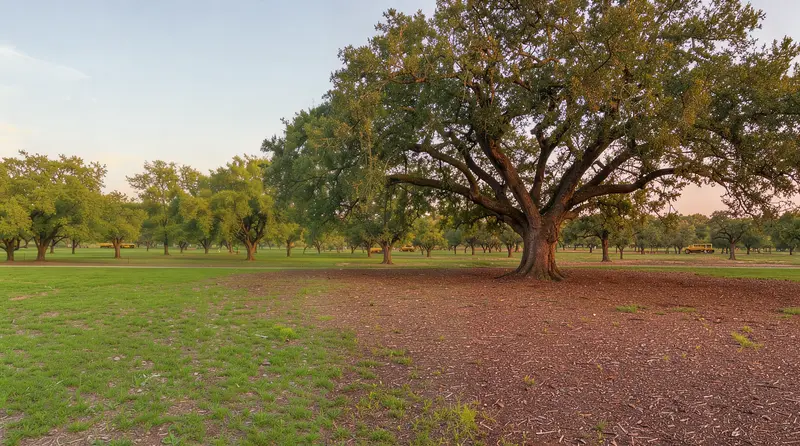
Mulching keeps the wood on the ground, and on sandy loam that layer earns its keep. Two to four inches of mulch hold moisture through August and slow erosion where the land falls toward the Sabine River. On our jobs between Longview and Gladewater the understory is loblolly saplings, sweetgum, yaupon and Chinese privet, with pine and hardwood over 8 inches sent to the 300-hp mulcher at $4,200 a day plus transport. Selective clearing is the standard ask: open the understory and keep the sawtimber. A 15-acre tract one county west in Smith County read as a solid yaupon wall going in and came out as open pine in three days, $11,400. Yaupon will overgrow a cleared strip in about four years, so budget a bush hog pass.
How Much Does Land Clearing Cost Here, and What Changes It?
Expect $1,200 to $2,000 an acre for pine understory mulching throughout Gregg County and $2,000 to $4,500 an acre for full site clearing to dirt. Before the price, two rules: standing water after a wet week adds a day, and a pipeline locate on oilfield ground adds a morning but no charge.
- Skid steer mulcher: $2,800 a day, transport included within 60 miles of the yard.
- 300-hp mulcher, 8 ft head: $4,200 a day plus transport.
- Haul-off: $650 to $1,200 a load, $1,100 minimum trip.
- Pond site excavation: dozer at $160 an hour with operator.
- Ten or more stumps: priced by the day, not per stump.
The on-site estimate is free within 60 miles of the yard, and the canopy reading and day count go in writing after I walk the property with you. Call (832) 987-3495 or fill out the form. Teo will call you back before the end of the business day.
Terrain, Soil and Vegetation on Gregg County Acreage
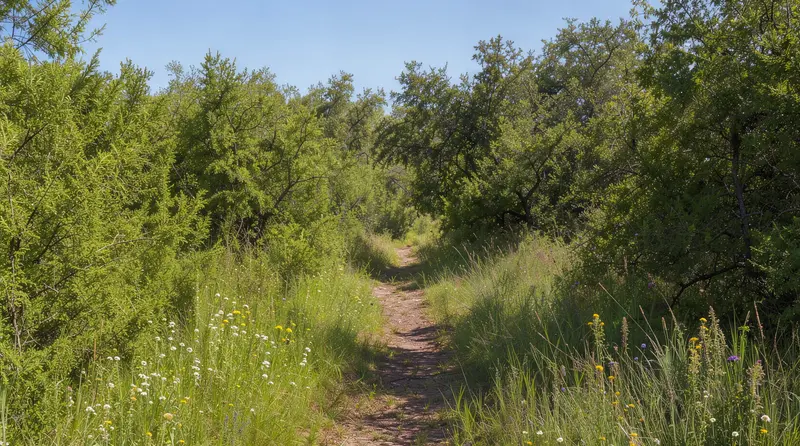
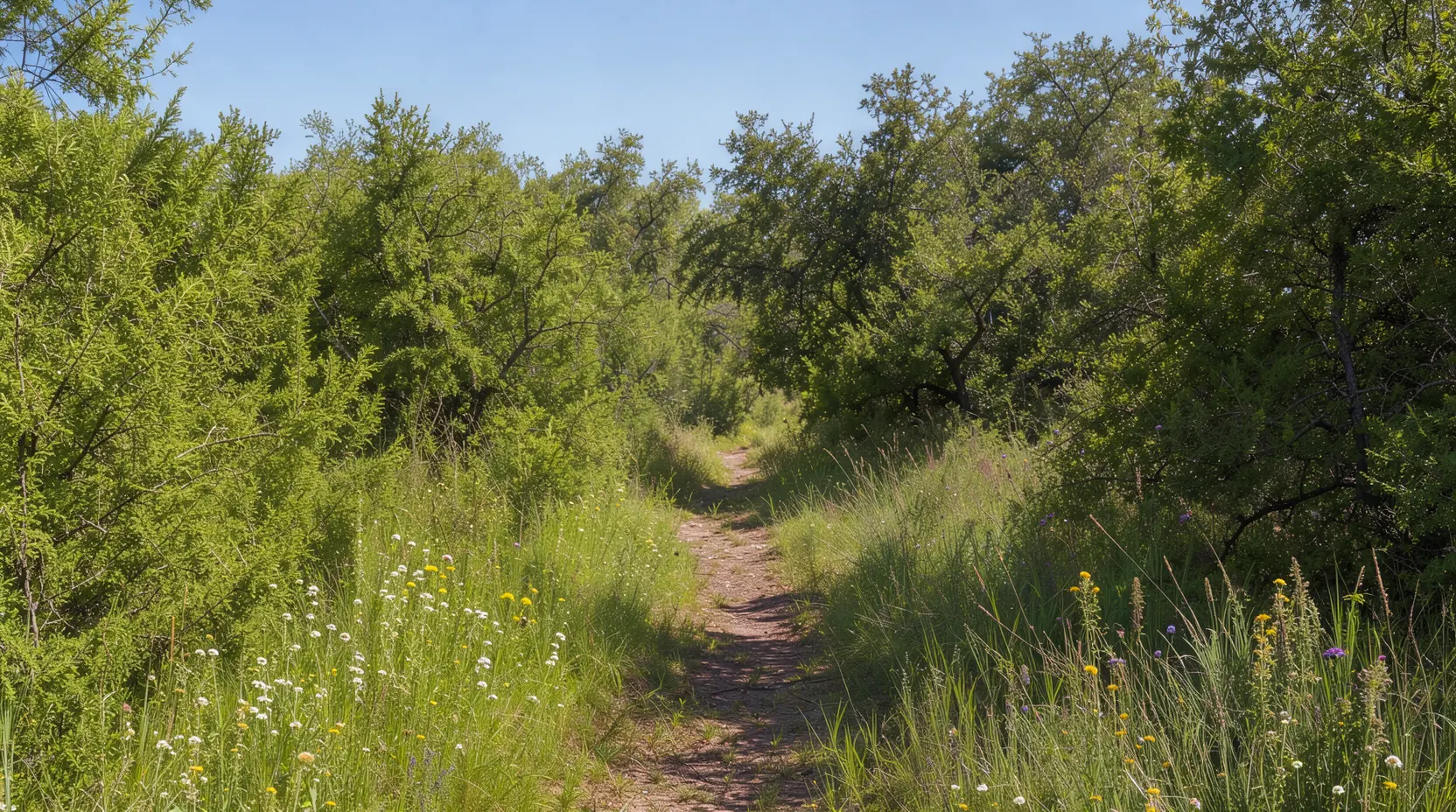
The county's ground is sandy loam over red clay with oilfield history under most of it. North of I-20 the tracts run flat toward the Sabine River bottoms, where sweetgum and hardwood thicken near the water and FEMA maps the floodplain. South and west toward Lake Cherokee the ground rolls and planted loblolly stands in rows. Lots near Lake Cherokee carry yaupon thick enough to hide a cow. I check site conditions on the first pass: slope, standing water, old well pads, pipeline markers. Woodland on 20-foot pine spacing mulches at 3 to 4 acres a day. Dense yaupon under young pine runs closer to 2.
Burn Bans, Pipelines and Texas A&M Forest Service Rules Before Land Clearing
Texas asks for no state permit to clear your own land, and Gregg County's list is short. Burn bans come from the county judge or commissioners court, and TCEQ outdoor burning rules govern piles the rest of the year. Mulching leaves no pile, so neither applies. Call 811 for pipeline locates before any dirt work on former lease ground; the markers do not show every line. Texas A&M Forest Service posts the county wildfire risk rating and timber-sale guidance, and a mature loblolly stand may pay you before we grind the understory. Along the Sabine, the county permits dirt work on FEMA-mapped land.
Areas We Serve in Gregg County: Longview, Kilgore, White Oak, Gladewater
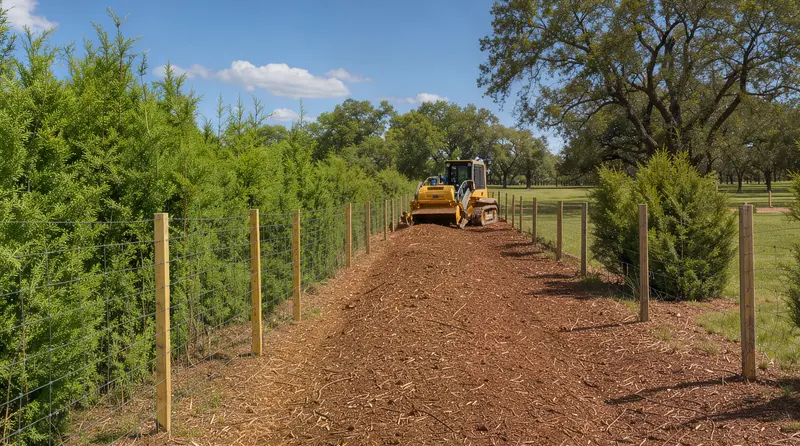
Longview has its own page and carries most of the residential and commercial work: infill lots inside Loop 281, commercial development pads along US 259 and tree clearing along a new fence line on the east side. White Oak, Gladewater and Liberty City bring one-acre pine lots and small pasture reclaims. Longview, TX and the surrounding areas into Harrison, Rusk and Upshur fall inside the 60-mile service area from the yard, so transport stays included. Of the 254 counties in Texas, this is the one where the pipeline locate matters most before land clearing. The East Texas page covers the rest of the region.
Ready to Clear Your Lot? Get an Estimate
Send the form with the acreage and the nearest road, or call (832) 987-3495. Teo will call you back before the end of the business day, and a crew lead meets you on your lot within the week. Serving Gregg County from the East Texas yard means the estimate is free and the trailer is close. Insured crews, posted prices. Pine grows back faster than an oilfield lease expires.